Site inductions
Set out arrival, access, welfare, emergency arrangements and the standards everyone shares.

Give every new starter, visitor and contractor the same confident introduction to your workplace—before they begin.
An effective induction does more than list rules. It helps people arrive informed, recognise their surroundings and understand how to move through the day safely.
We make induction training videos around your actual routes, people and working practices, so the message feels practical from the first viewing.
Set out arrival, access, welfare, emergency arrangements and the standards everyone shares.
Give different groups the information that matters to their visit, role or area of work.
Build a consistent, updateable set of visual resources for onboarding and refresher learning.
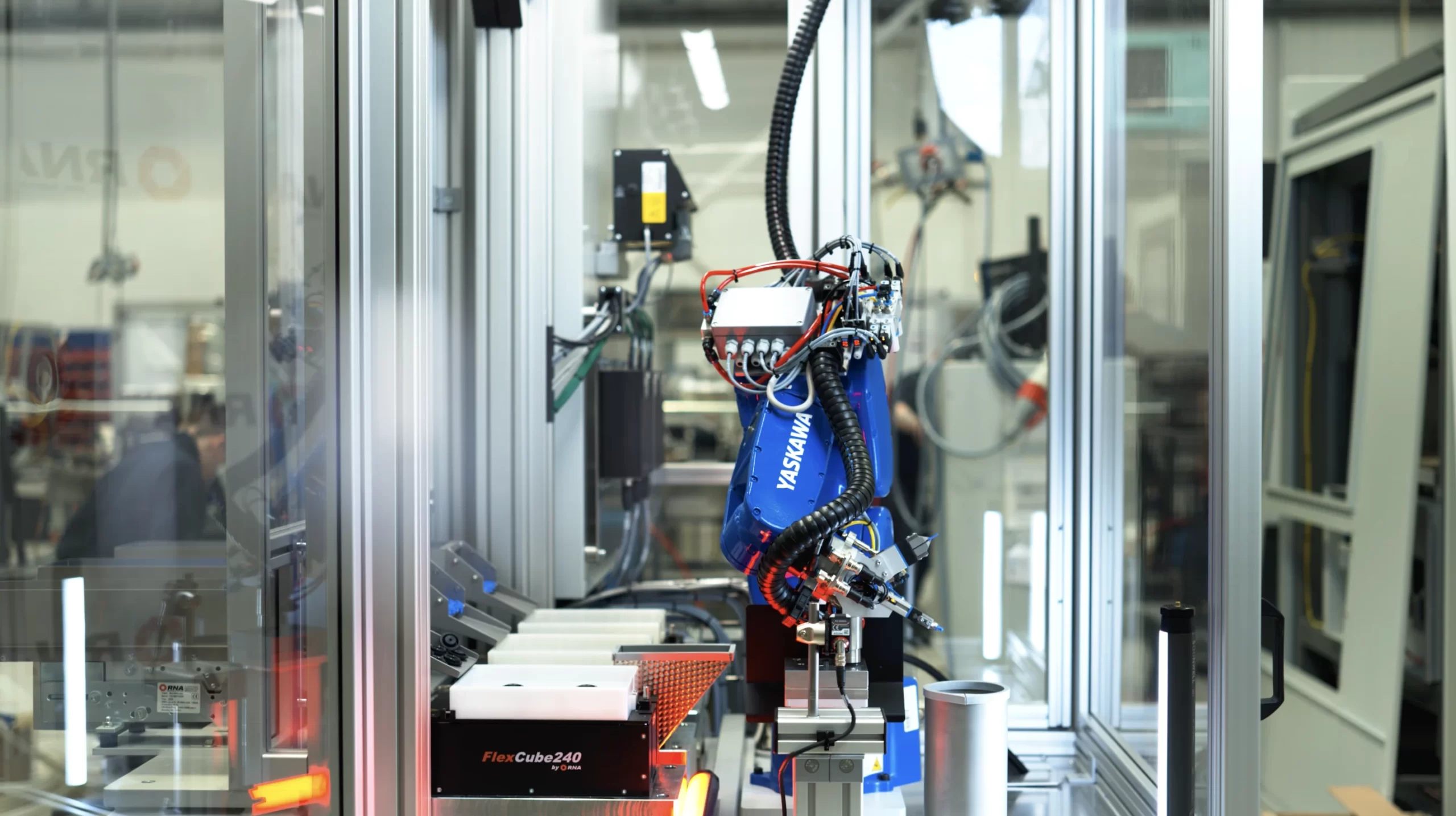
A first day can involve lots of unfamiliar information. Film gives people a visual reference they can return to, without replacing the conversations and checks that make an induction personal.
We map the learner journey before filming: from arrival and sign-in to key safety expectations, restricted areas, reporting routes and what to do if something goes wrong.
Visitors, contractors and permanent employees do not always need the same depth of detail. We can create a shared core film with focused modules for each audience, keeping the essential standards consistent while respecting people’s time.
Every programme is structured for the place it will be watched: on an LMS, in a classroom, at reception or as part of an online pre-arrival pack.
Discuss your project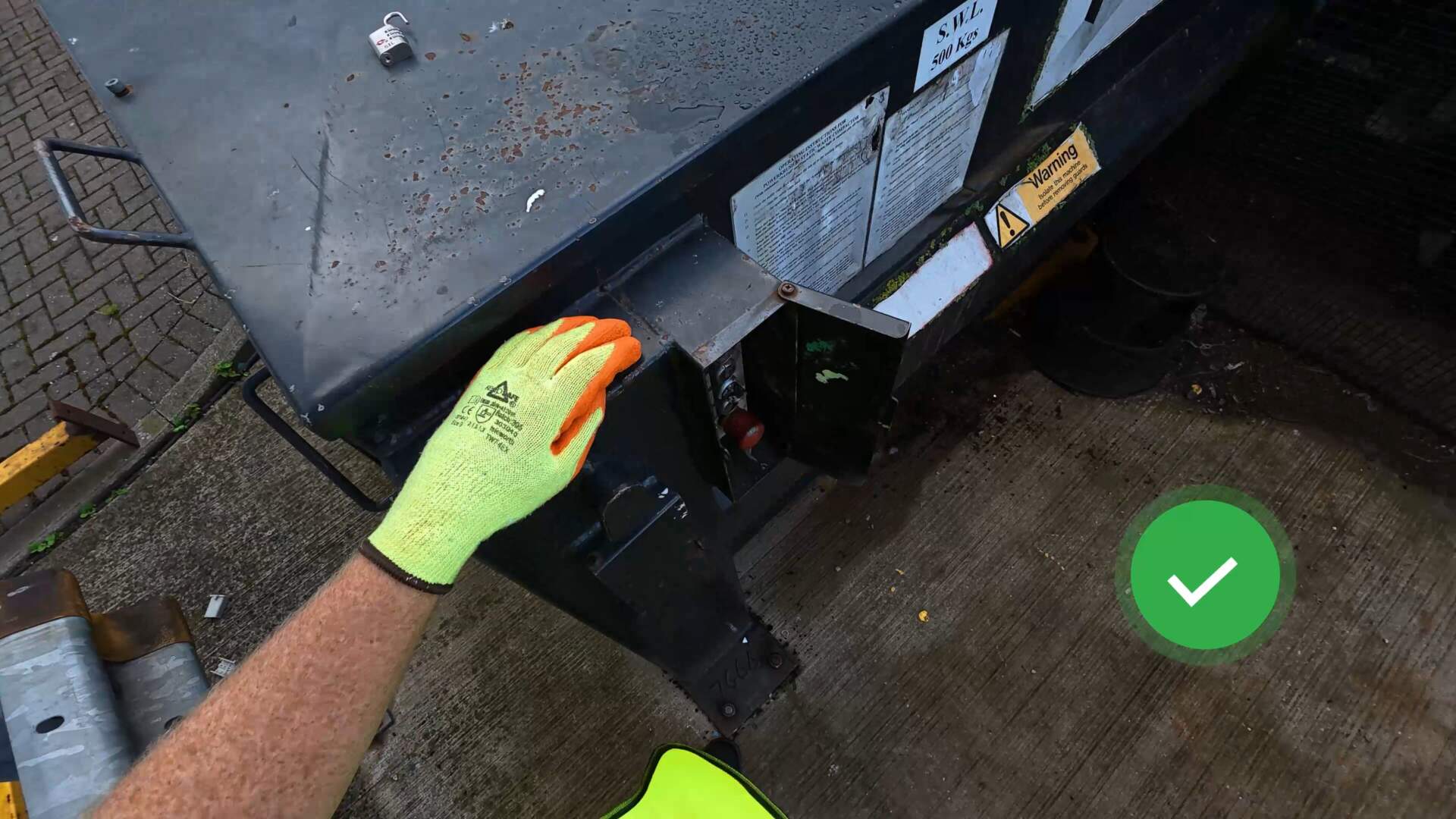
That depends on your site and audience. Common subjects include arrival, PPE, safe routes, welfare, emergency actions, reporting and local rules.
Yes. We plan around your production schedule, access requirements and site controls to capture useful footage with minimal disruption.
No. Video makes the core message consistent and memorable; your team decides how it supports live induction, supervision and assessment.
Yes. We plan projects in clear sections so a change to one area, rule or process does not automatically mean rebuilding the whole programme.
People remember what they can place in context. An induction training video lets a new colleague see the entrance they will use, the reception desk they will visit, the routes they should follow and the faces they can approach for help. It turns a collection of instructions into a coherent first experience of the workplace.
That is especially helpful when an organisation is busy. New starters may arrive on different shifts, contractors may attend at short notice and visitors may need essential information before a host can spend time with them. A clear film means the core message is available whenever it is needed, without asking every manager or supervisor to deliver it from memory.
Video also gives people time to absorb information. They can watch before arrival, return to a section after their first day or use a short module alongside a live briefing. The outcome is not to make the process impersonal; it is to make the face-to-face part of the induction more useful by removing avoidable uncertainty.
Every workplace has its own priorities, but induction content often begins with the basics: where to park, how to sign in, what identification is required, which PPE to collect and where to find facilities. From there, the film can introduce pedestrian routes, vehicle movements, restricted zones, alarm arrangements, first-aid provision and reporting processes.
The best sequence follows the viewers journey rather than the structure of a policy document. It answers what they need to do on arrival, what they will encounter during the day and who to speak to if a situation does not look right. Where a rule matters, the viewer can see the relevant location, equipment or behaviour rather than trying to picture it from a paragraph of text.
We work with the people responsible for the site, learning, operations and safety to establish the detail that belongs in the film. That may include a presenter, an experienced colleague explaining a local process, on-screen captions, simple diagrams or graphics. The format is chosen for clarity, not decoration.
Give new team members a grounded introduction to their environment, working expectations and the support available around them. A film can set a consistent baseline before role-specific training begins.
Contractor inductions can focus on access arrangements, permit processes, site controls, welfare, emergency routes and the local contact arrangements that apply to their work.
A concise visitor version gives guests the essential information without overwhelming them. It helps them arrive prepared and lets hosts concentrate on the purpose of the visit.
Short refresher modules can bring important rules back into view after a change, before a campaign or as part of a regular competence and communication programme.
Production starts with discovery. We ask who the audience is, what they should understand by the end of the induction and how the film will sit alongside your existing process. We then review the parts of the site, journey and working day that need to be represented. This stage is where the most valuable choices are made: what to include, what to separate into a focused module and where a visual demonstration will answer a question better than narration.
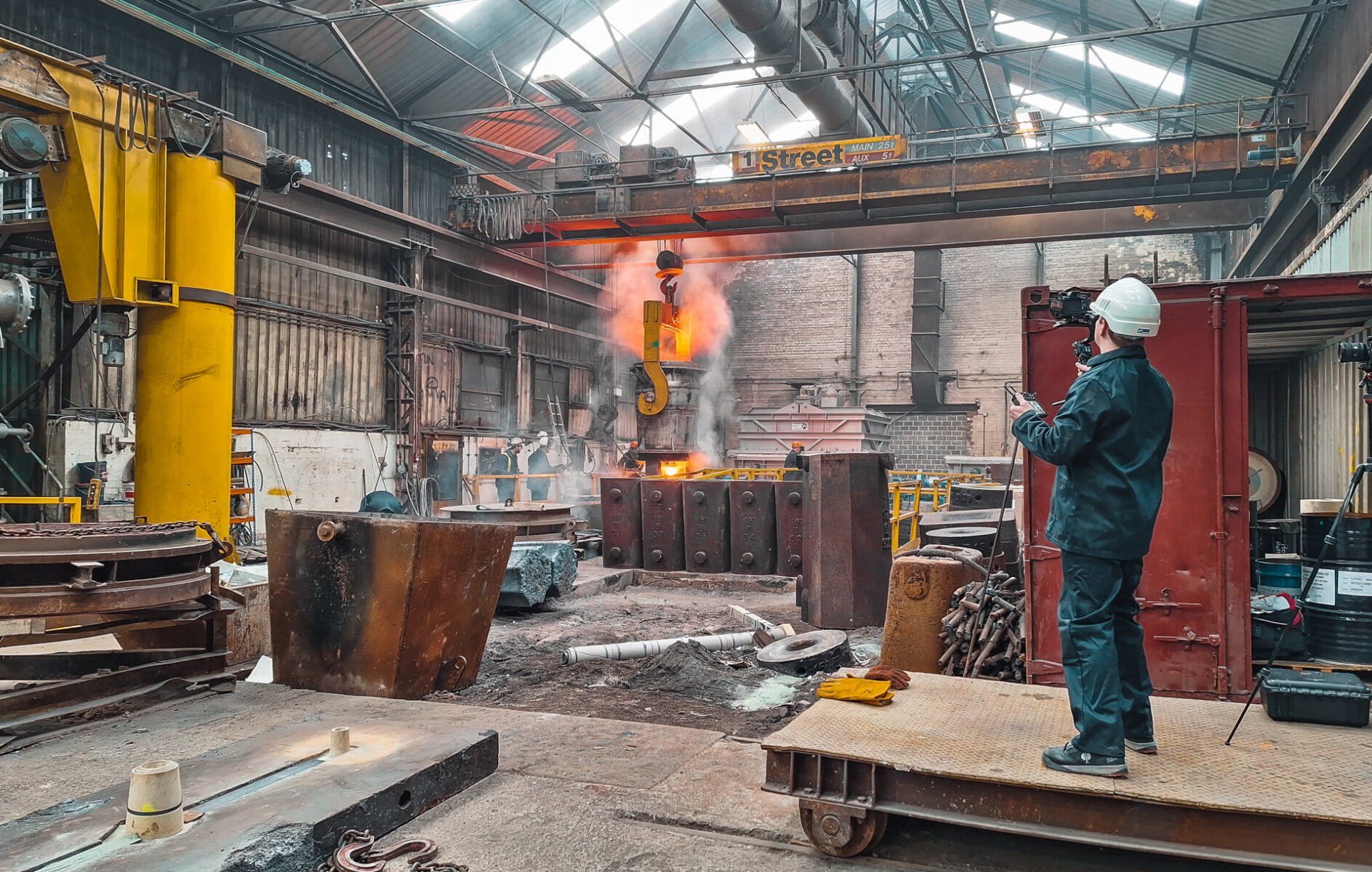
Before filming, we agree access, approvals, suitable filming windows, PPE, permits and the people needed to explain the work. A well-prepared shot list protects operational time and makes sure we capture both the big picture and the useful detail. It might include a wide view of a route as well as a close-up of an access point; an overview of emergency information as well as the exact location where people need to gather.
During the shoot, we work to your site rules and with your nominated contact. The aim is to observe and explain the workplace without turning a normal operating day into a film set. In the edit, we shape the footage into a clear sequence, add agreed copy and graphics, and provide review points for your subject experts. You retain control of technical accuracy at every important stage.
Workplaces evolve. Routes change, equipment arrives, teams grow and individual procedures are refined. We can structure your induction video programme so the content is practical to maintain: a core site film can sit alongside smaller modules covering a particular area, role or message.
This modular approach is useful for learning platforms too. A viewer can complete the common introduction before selecting the part relevant to their role. It also makes a future update more targeted, rather than forcing the whole induction to be re-filmed because one detail has changed.
We deliver files in formats that suit the way you intend to use them, whether that is a hosted LMS, an internal portal, a reception display, a training room or an online pre-arrival process. Captions and accessible versions can be planned from the outset where required.
When an induction relies entirely on live delivery, the experience can vary with the time available, the person presenting and the circumstances of the day. A well-made video gives every viewer a dependable core explanation. It supports the people delivering the induction rather than replacing them, allowing them to spend more of their time answering local questions, checking understanding and introducing the individual to the team.
For employers, a consistent induction resource also makes it easier to demonstrate what information has been made available to people before they enter the workplace. Your own processes determine how completion, acknowledgement and assessment are managed, but the film provides a stable piece of communication within that wider framework.
For viewers, the benefit is straightforward: they know what the place looks like, what is expected of them and where to turn for support. That is a better starting point for a productive, confident first day.
Whether you need one concise induction film or a connected set of training modules, we can help you make the first experience of your workplace clearer, calmer and more consistent.
Start a conversationYou do not need a finished script before getting in touch. A useful starting point is a simple outline of the audience, the environment they will enter and the messages that cannot be missed. Existing induction slides, site maps, training notes, policies and risk information can all help establish the scope. We use those materials as reference, then help turn the essential information into an ordered, visual story.
It is also helpful to identify who owns the technical detail. In many projects, that includes a health and safety lead, an operations manager, a learning representative and people who work in the areas being shown. Their input helps us make sure the language is familiar and the demonstrations reflect the approved way of working. The finished film should support your own controls and terminology, rather than introduce a separate version of them.
We will discuss where the induction will be viewed and what needs to happen afterwards. Some organisations want a single complete film; others need short chapters that can be assigned in a learning platform or shown at a point in the visitor journey. The delivery plan affects the structure, pace, captions and versions required, so resolving it early makes the finished resource easier to use.
Once the brief is agreed, we set out a practical production plan. That covers access, filming dates, people on camera, approval points and anything the crew needs to complete before arrival. The process is designed to be straightforward for your team while giving enough attention to the details that viewers will depend on later.